Left without a voice
As Russia’s ‘systematic’ repression reaches activists like Nobel nominee Daria Egereva, Indigenous communities are increasingly at risk

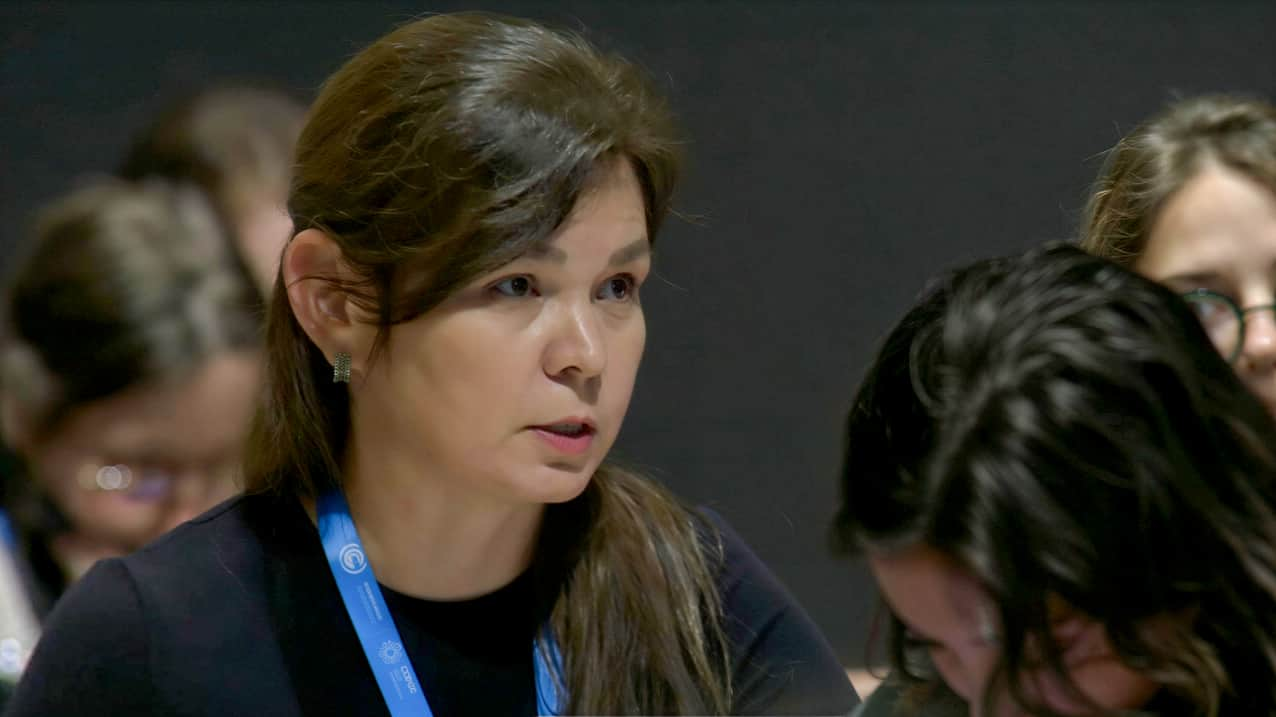
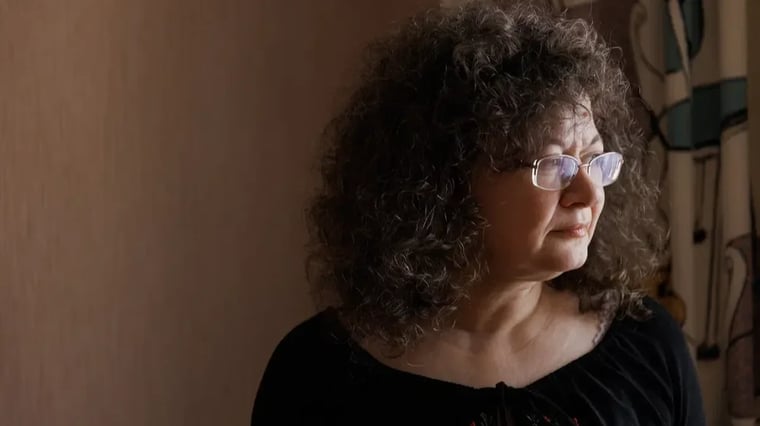
The nomination of imprisoned Russian Indigenous rights activist Daria Egereva for the 2026 Nobel Peace Prize has drawn international attention to Moscow’s latest wave of repression against rights defenders. Her arrest, alongside those of seventeen others, speaks to what experts call the “narrowing” of the space in which activists can operate in the country since the start of Russia’s full-scale invasion of Ukraine.
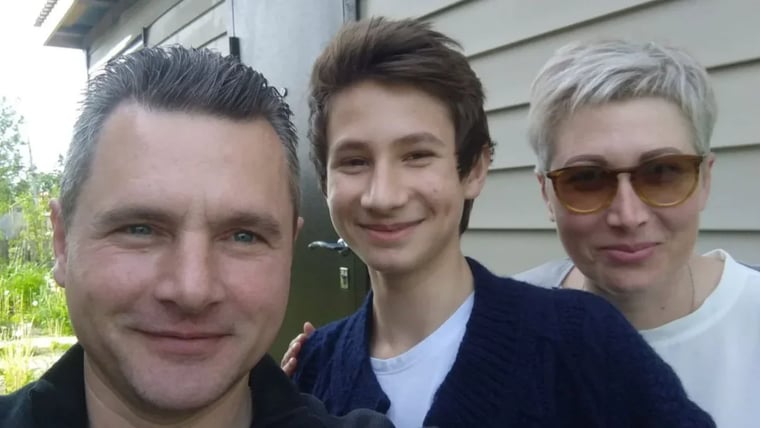
Returning to Russia after co-chairing the Indigenous Peoples Forum on Climate Change at COP30 in Brazil, Egereva was arrested in late 2025 in a raid by state security services on activists’ homes and workplaces across the country. A member of the Selkup Indigenous group from western Siberia and a longtime advocate for climate justice, she has been held in a pretrial detention facility ever since. The UN has long accused Moscow of targeting human rights defenders for their cooperation with international organisations.
Following the news of Egereva’s nomination for the 2026 Nobel Peace Prize, Estonia’s ambassador to the United Nations (UN), Rein Tammsaar, referred to the terrorism charges against her and fellow Indigenous rights activist Natalia Leonhardt as “baseless” at the UN General Assembly in October 2026. Tammsaar’s statement referenced “172 Indigenous organisations” designated by the Kremlin as terrorist organisations. Statistics from OVD-Info, one of Russia’s largest human rights NGOs, indicate that the number of sentences handed down for terrorism offences — the charge commonly brought against Indigenous activists — rose by over 350% between 2022 and 2025.
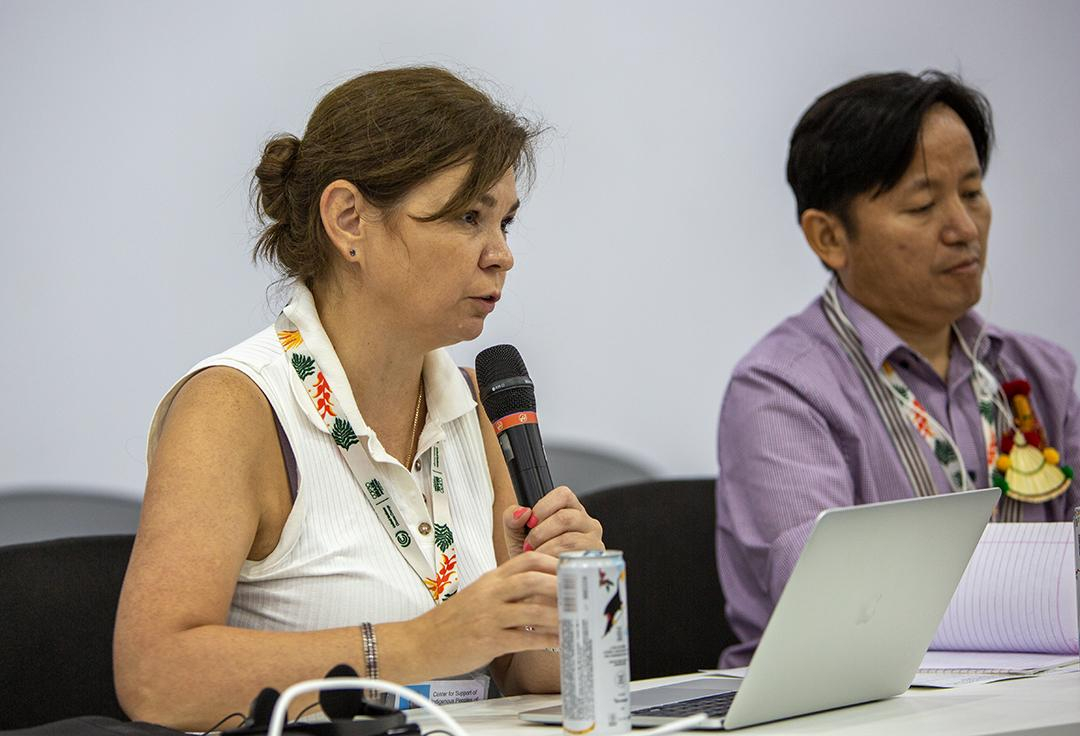
Øyvind Ravna, a leading researcher in Sámi and Indigenous law at The Arctic University of Norway, and one of Egereva’s nominators, said that the activist “has done a great job for focusing on important issues for the Nobel Peace Prize [such as] mitigating climate change and defending the human rights of Indigenous people, which together contribute to peace.”
A report presented to the UN Permanent Forum on Indigenous Issues in April 2026 and co-authored by Egereva’s lawyer, Olga Podoplelova, suggested that repressive measures after Russia’s full-scale invasion have taken on a “systematic character” across the full spectrum of Indigenous activism, from local initiatives to international advocacy. The paper, entitled The Crime of Being Indigenous, added that by 2025, “there was a transition toward the targeted criminalisation of Indigenous communities.”
A ‘narrowing’ public sphere within Russia
The full-scale invasion marked a turning point in both Moscow’s treatment of Indigenous rights discourse and the trajectory of Indigenous activism. The expansion of criminal legislation, including new provisions criminalising criticism of the military, has formed part of a broader effort to suppress Indigenous voices in Russia. In turn, many activists have taken to international platforms to continue their work.
As the Kremlin tightened restrictions on public discourse in the war’s first months, existing organisations established to represent minority groups were brought fully under state influence. The Russian Association of Indigenous Peoples of the North (RAIPON), founded in 1990, spoke out in support of Russia’s war in Ukraine and even conducted “humanitarian-cultural” missions to occupied areas of Ukraine.
Mounting constraints inside Russia coincided with a considerable shift in how international bodies responded to Indigenous voices. Viliuia Choinova, an activist from the Sakha Republic in Eastern Siberia, told Novaya Gazeta Europe that there is now a “slow understanding that [we] are [our] own separate stakeholders”, whereas “when we started advocacy work from the start of the invasion … the knowledge from [many international] institutions was minimal to none.”
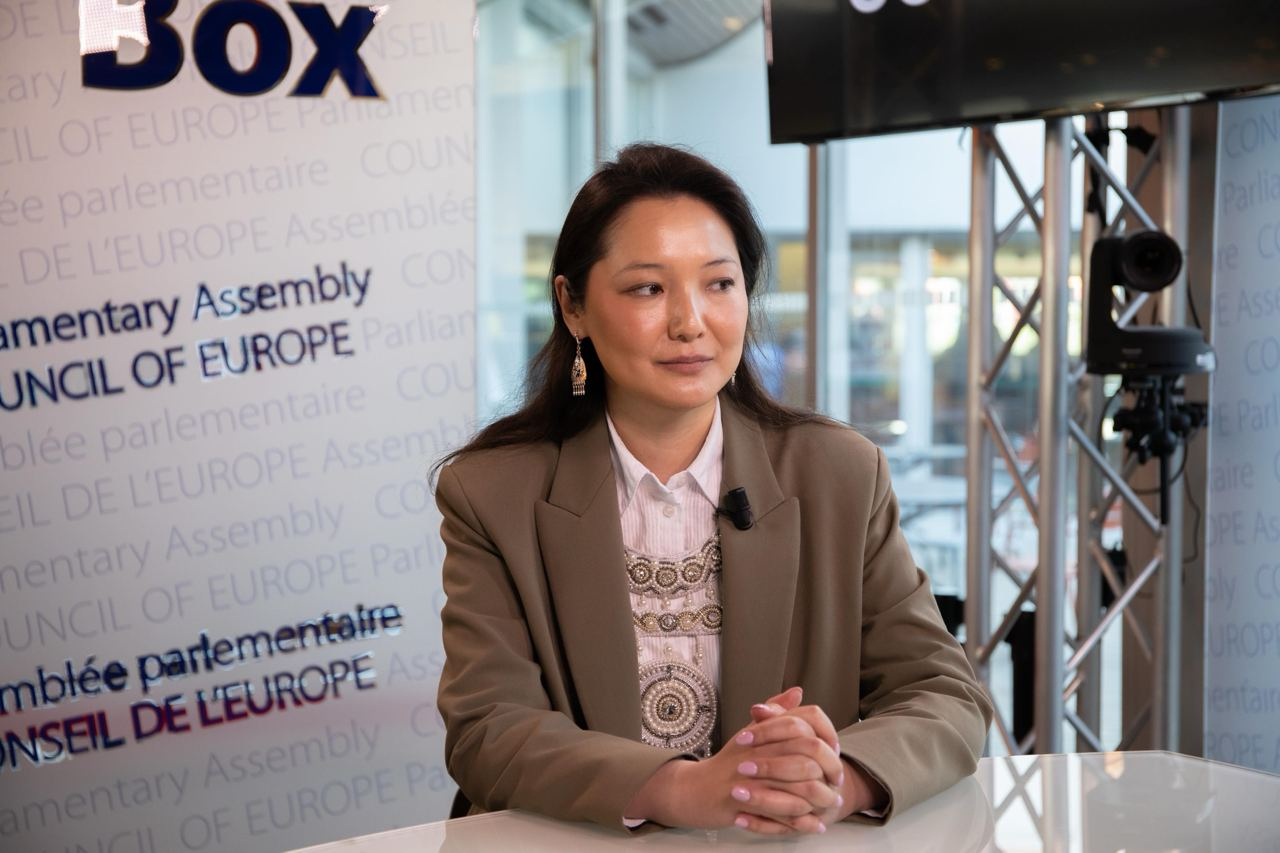
Choinova, who was designated as a “foreign agent” by the Russian Justice Ministry in May 2026, suspects that this trend came as a result of her cooperation with the UN, as she says greater communication with international organisations “legitimises us.” Her latest intervention at the United Nations Expert Mechanism on the Rights of Indigenous Peoples (EMRIP) in July raised concerns over the militarisation of Indigenous peoples in the context of the war in Ukraine, as well as the dismantling of political autonomy within national republics.
For Maria Vyushkova, co-founder of the US-based Free Buryatia Foundation, and many others, February 2022 was a watershed moment. Already a strong anti-regime voice, the start of the full-scale war prompted her turn towards Indigenous activism.
Vyushkova, designated a foreign agent by state authorities in April 2026, has been convicted in absentia to six years in prison for spreading “misinformation about the military”, according to her father, also an activist, Maksim Barlukov. People of Baikal, an independent regional media outlet, reported that there was an active case against her in the Soviet District Court in Ulan-Ude, capital of Buryatia, in October 2026.
Responding to news of the sentencing, she told Novaya Gazeta Europe that “now I have to be extra careful not to put anyone in harm’s way” as her conviction could have serious consequences for people in Russia who have had previous contact with her.
One researcher with decades of experience collaborating with Indigenous communities, who wished to remain anonymous, said that, since 2022, “activists who have left Russia have become much more crucial because the voices in Russia are becoming much more silent,” adding that “the international arena has become a kind of replacement [venue]” for activism.
Vulnerability inside Russia and abroad
Greater international visibility has not necessarily translated into greater security for human rights defenders advocating for Russia’s ethnic minorities.
Choinova spoke of feeling alienated from elements of the broader Russian opposition in Europe who either dismissed Indigenous rights activists as “separatists” or saw them as not “deserving a seat at the table.” Beyond this, a lack of resources has hindered activists’ ability to travel to international meetings. She also admitted that “we have no way of protecting ourselves” from transnational repression by the Kremlin.
On October 9, 2026, the first hearing was held at Vilnius Regional Court on a case in which six people stand accused of plotting to murder Ruslan Gabbasov, leader of the Bashkir national movement, in Lithuania.
In the US, Buryat campaigner Alexander Bolokhoev was one of “dozens” of Indigenous activists caught up in anti-migrant ICE raids under the current administration, according to reporting by The Moscow Times. After being detained for months following his arrest in Oklahoma and threatened with deportation to Russia, where he faces up to 20 years in prison, Bolokhoev was granted political asylum on February 23, 2026.
Inside Russia, Moscow continues to extract wealth from natural resource-rich regions far from the capital, while many Indigenous communities living there suffer from poor social infrastructure and high poverty rates.
The state’s tightening restrictions on free speech, which has resulted in the effective “outlawing” of activism since 2022 through fabricated terrorism charges, has driven community leaders campaigning for improved conditions underground, into exile, or to abandon advocacy work altogether.
Iliuza Mukhamedianova, a Bashkir activist and researcher, said that “any claiming of identity is immediately associated [by the authorities] with decolonialism, calls for independence, and similar ideas. Even if activists themselves are advocating for federalisation or other forms of political change, not necessarily independence, the state perceives these demands as protests. This is an issue that the government does not want to discuss.”
She described how her native Bashkortostan has become fertile ground for antiwar and Indigenous activism to converge, as fuel shortages caused by Ukrainian attacks on energy infrastructure, combined with military mobilisation, have fuelled growing discontent.
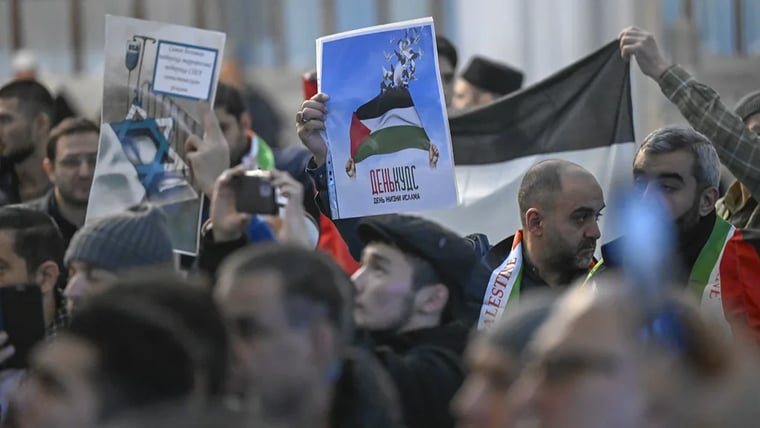
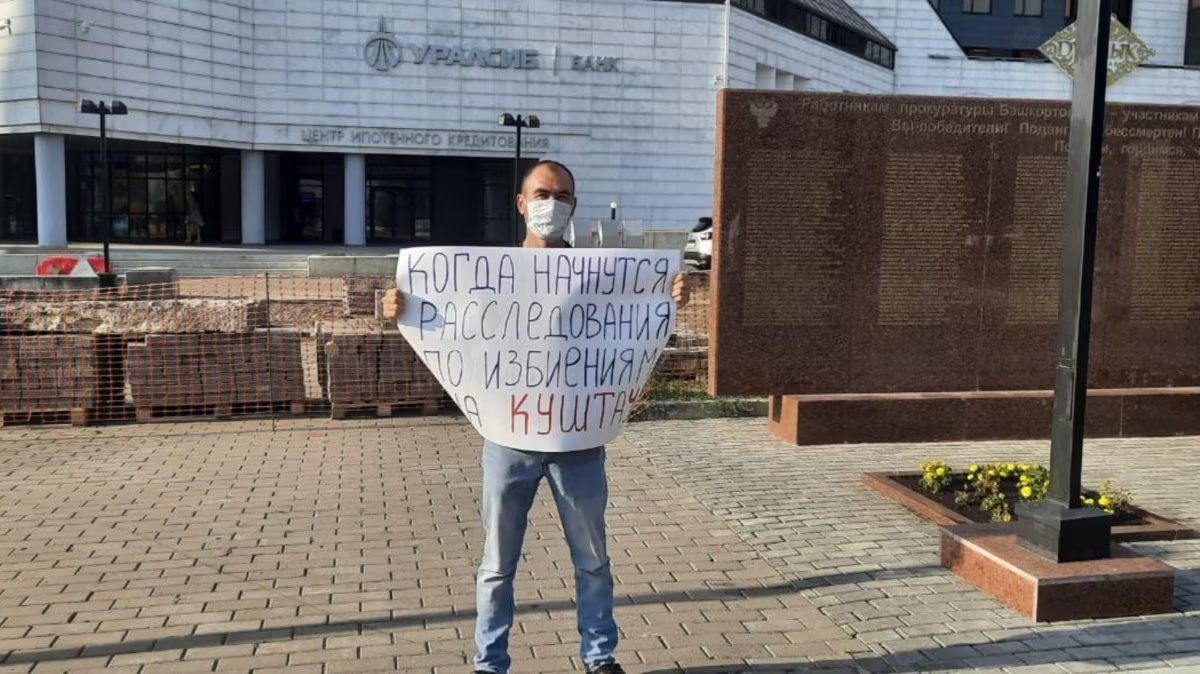
Independent media outlet Mediazona reported in June 2026 that the republic was the first Russian region to officially record over 10,000 fatalities during the full-scale invasion. One of the largest wartime protests in Russia erupted in the republic in 2024 following the arrest of activist Fail Alsynov, who had criticised mobilisation in the region as a “genocide” of the Bashkir people.
Small communities become easier targets
Experts and human rights defenders alike assert that for so-called small-numbered peoples — ethnic communities of fewer than 50,000 recognised members — increased repression can have a disproportionately severe effect. Traditional subsistence practices are at risk of restrictions by the authorities, while the silencing of activists advocating for those communities can leave an entire people without a voice.
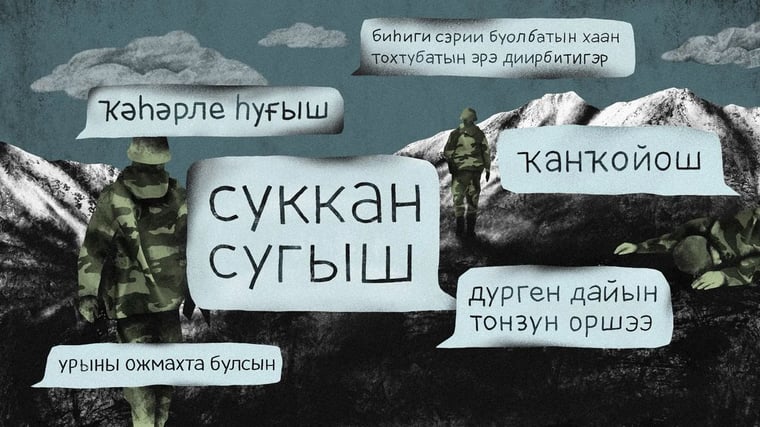
Numerous studies have pointed to the disproportionate mobilisation of Indigenous peoples. One 2024 report focusing on the Khabarovsk region in Russia’s Far East found that, per 10,000 residents, the number of men enlisted from minority communities was 95, compared with 34 from the non-Indigenous population. Lyubov Odzyal, the president of the Kremlin-aligned Association of Indigenous Peoples of the North in the Khabarovsk region, called for using the high rates of mobilisation to advocate for expanded fishing permits to support the families of enlisted men.
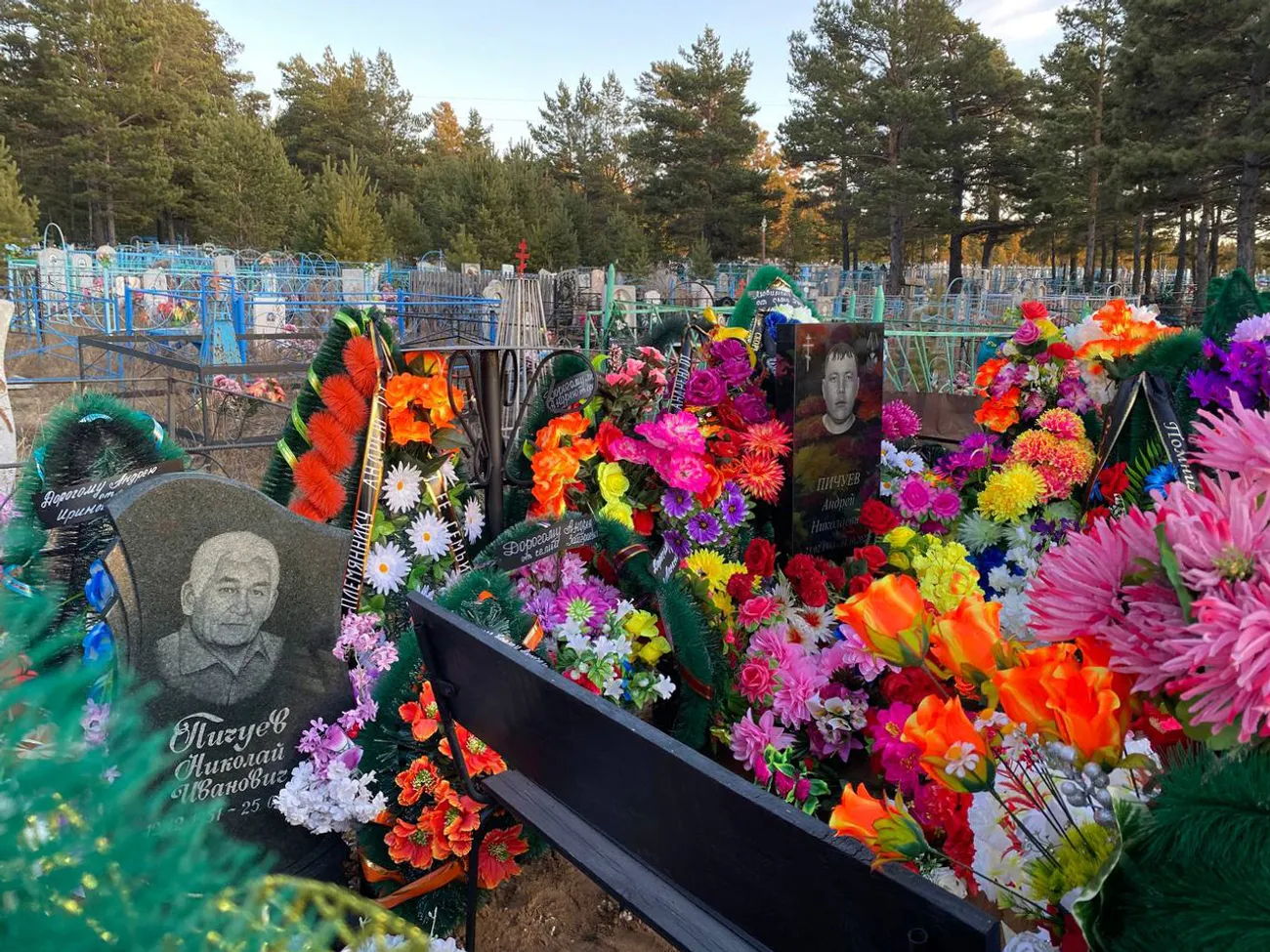
Vyushkova, who conducted research into rates of mobilisation for the Batani Foundation, a US-based charity, said it was “easier for authorities to round up and force small-numbered peoples into the war”. She went on to call the move by Odzyal an “exchange of human lives for fish and firewood”.
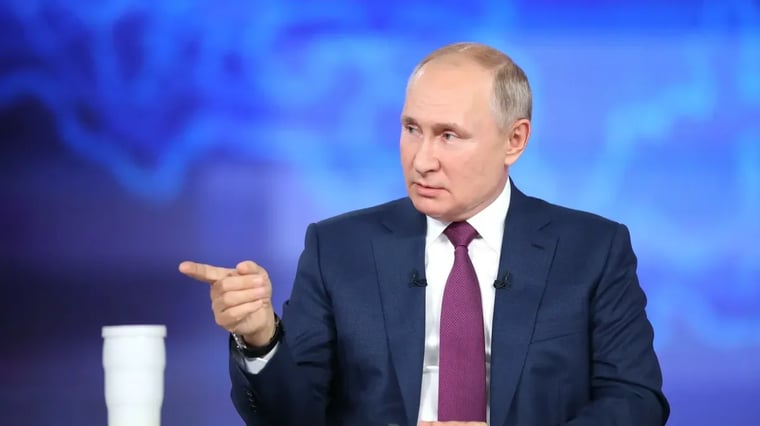
While advocating for the rights of those still in Russia and for the future of Indigenous communities through international forums remains one of the few tools at the disposal of activists in exile, they are acutely aware that little can change while Putin remains in power. Mukhamedianova said quite simply, “the UN will not save us”.
What matters is that “we are seen and heard”, she continued. “First and foremost, it is crucial to recognise that those [we] support in prison are not there for no reason, but are being persecuted for standing up for what is right.”